



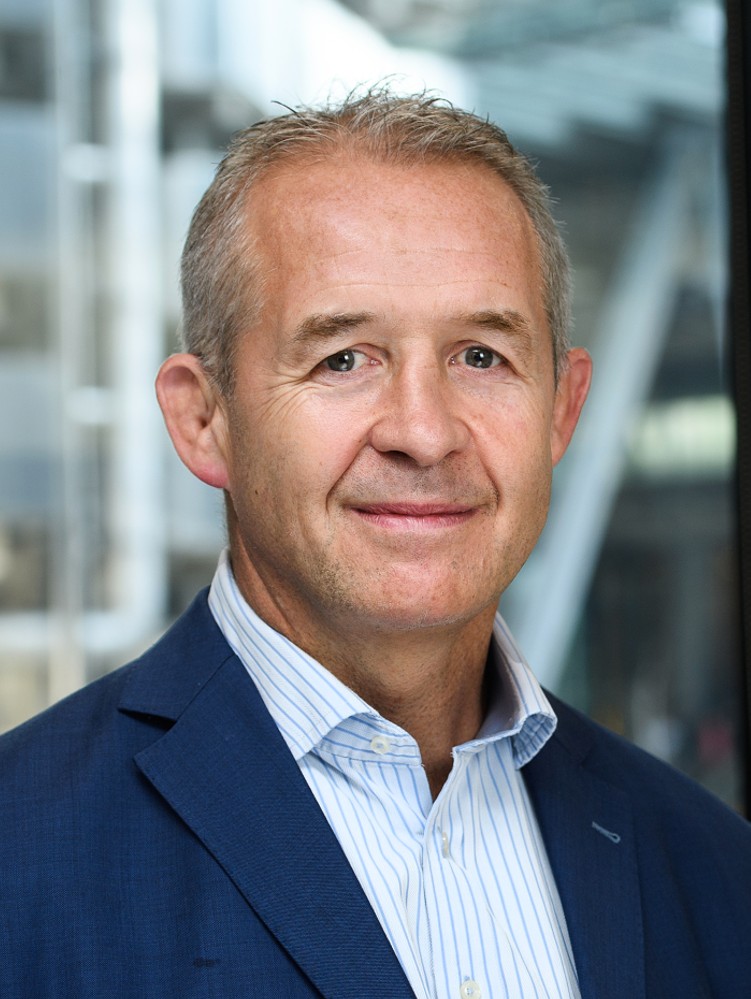
Matthew Yeldham, Chief Underwriting Officer, AEGIS London
Underwriting in the Lloyd’s and London Market is evolving. The days of a simple binary distinction between leaders and followers, defined solely by slip position, are giving way to a more nuanced spectrum of participation. As the LMA’s recent report, Lead and Follow in the Lloyd’s and London Market: Beyond the Binary, considers, a firm’s position is determined by factors as diverse as pricing, terms, claims expertise, underwriting engagement, service delivery and overall reputation.
This evolution reflects the increasing sophistication of the market. But it also underlines a fundamental principle: the London Market has always relied on a combination of leaders and followers in order to succeed. The strength of our market lies in that balance.
Moving beyond a simple lead/ follow binary creates an opportunity for businesses to carve out propositions that are truly focused and differentiated. It enables firms to be clearer about where they lead, where they follow and how they deploy capital accordingly. For the market as a whole, this creates the potential to allocate capacity more efficiently – directing investment towards areas of genuine expertise while deprioritising those that do not align with long-term strategy.
However, efficiency must be anchored in underwriting discipline.
The London Market’s standing as a global centre for insuring complex risk depends on its ability to combine underwriting excellence with thoughtful innovation. Being a lead underwriter is not simply about being first on the slip; it demands deep engagement, a clear understanding of the client’s business and objectives, and the application of experience and well-judged decision-making to complex risks. That depth of insight and leadership is what leading Lloyd’s syndicates are renowned for; preserving that standard is critical to London’s continued global relevance.
As the spectrum widens, the responsibilities of those in lead positions are likely to increase. The LMA report suggests we may see greater delegation of processes such as claims handling, Pre-Bind Quality Assurance (PBQA), underwriting assessment and compliance checks to lead underwriters. That shift would require significant investment – not only in systems and controls, but in expertise and operational resilience. If leaders are expected to shoulder greater responsibility, the market will also need to consider how those services are recognised and remunerated appropriately. While consensus on this may be some way off, it is an important conversation for the market’s long-term sustainability.
At the same time, the range of follow solutions available in the market continues to grow and diversify. We have already seen considerable growth in consortia business, which
reached 7% of Lloyd’s GWP in 2024, alongside the emergence of new follow-only offerings. These developments provide leaders with access to larger line sizes and additional fee income, while offering followers a streamlined route to participate in business written by respected underwriting syndicates.
As risk is increasingly accessed through a broader mix of digital and traditional follow channels, the challenge for market participants is not simply to join the spectrum, but to do so in a way that reinforces their underwriting identity.
This is ultimately a question of proportionate balance. Underwriting-led leadership in complex classes – where deep technical knowledge and close client engagement are essential – must sit alongside a range of technology-enabled routes to market that support, rather than replace, disciplined underwriting. At AEGIS London, this has included investment in initiatives such as Portfolio Solutions, OPAL and digital follow capabilities, designed to complement our specialist underwriting foundation.
The widening smart follow spectrum presents a significant opportunity for the market, but growth should not be pursued indiscriminately. Each underwriting business will need to understand where it currently sits on the spectrum and evaluate where it can genuinely differentiate itself in the pursuit of sustainable expansion. Strategies will evolve over time and through the market cycle, but those businesses that combine strong technical expertise with intelligent capital deployment and thoughtful use of technology will be best placed to capitalise.
The opportunity is substantial, but the responsibility is equally significant. If the London Market is to remain the global home of complex risk, new trading models must reinforce – not dilute – underwriting excellence. The challenge for market participants is clear: deploy capital with conviction, embrace innovation where it enhances efficiency, and ensure that expansion across the spectrum remains grounded in technical strength.
This article was first published in Insurance Day 02 March 2026.